Key Highlights
- Melbourne’s used car market offers vehicles through dealerships, private sales, and online platforms like Carsales, each with different levels of transparency and buyer protection.
- A clear budget should account for purchase price, registration, insurance, fuel efficiency, and ongoing maintenance costs, not just the sticker price.
- Independent mechanical inspection, service records, and a proper vehicle history check are essential before handing over any money.
- A Roadworthy Certificate (RWC) and correct registration details protect buyers from unexpected costs after purchase.
- Certified pre-owned cars often come with warranty support and added peace of mind, though usually at a higher purchase price.
- Proper paperwork, including proof of ownership and a Personal Property Securities Register (PPSR) check, is critical when transferring ownership in Victoria.
Introduction
A used car purchase is one of the biggest financial decisions many Melbourne residents make each year, and getting it right takes more than just picking a car that looks good in photos. Melbourne’s used car market is large and varied, spanning dealership listings, private sales, and online platforms, which means buyers have plenty of choice but also plenty of room to make costly mistakes. From setting a clear budget to checking a vehicle’s history and negotiating a fair price, every step matters. This guide walks through the practical process of buying used cars in Melbourne, covering where to look, what to check, and how to complete the paperwork correctly, so buyers can make a confident, informed decision.
Read more: Jett Puckett Net Worth: What We Know About His Money and Lifestyle
Steps to Buy Used Cars in Melbourne

Buying a used vehicle in Melbourne works best when approached as a structured process rather than an impulse decision. Two steps set the foundation for everything else: knowing your budget and understanding the market you’re shopping in.
Setting Your Budget and Clarifying Your Needs
Before browsing dealership websites or scrolling through online platforms, it helps to set a clear budget that goes beyond the purchase price alone. Buyers should factor in:
- Registration costs and renewal timing
- Insurance premiums, which vary by vehicle type and driver history
- Fuel efficiency, especially important given Melbourne’s mix of CBD traffic and longer commutes from bayside suburbs
- Servicing and maintenance costs over the first few years of ownership
- Car loan options, including interest rates, monthly comfort level, and total repayment over the loan term
Affordability isn’t just about what you can borrow — it’s about what fits comfortably into your monthly budget once every ongoing cost is included. Buyers should also think about their actual needs: a small hatchback suited to inner-city driving is a very different proposition from a larger vehicle needed for family trips or towing.
Researching the Market and Identifying Reliable Platforms
Once a budget is set, market research becomes the next priority. Melbourne’s used car market includes several main channels:
- Dealership listings, which often include certified pre-owned cars with warranty support
- Online platforms such as Carsales, which allow buyers to filter by body type, transmission, fuel type, and price
- Private sales, which can offer competitive pricing but require more caution around vehicle history and seller details
Comparing similar makes, models, years, and odometer readings across these platforms helps buyers understand what a fair, competitive price looks like before making an offer. Search filters on major online platforms make it easier to narrow down options by kilometres travelled, safety features, and vehicle condition, saving time during the early research phase.
Where to Find Quality Used Cars in Melbourne

Melbourne offers a wide geographic spread of options, from dealerships in the CBD to independent yards in suburbs like Cheltenham and other bayside areas. Dealership live stock listings are updated regularly, giving buyers a real-time view of available vehicles, while private sellers often list through classified sites or word of mouth. Each channel has trade-offs: dealerships typically offer more transparency and after-sale support, while private sales can offer lower prices but shift more responsibility for due diligence onto the buyer.
Certified Pre-Owned Cars: What They Offer
Certified pre-owned cars are used vehicles that have passed a manufacturer or dealer-backed inspection process and typically come with an extended warranty. This matters because it shifts some of the risk away from the buyer. Key benefits include:
- A documented inspection process before sale
- Warranty coverage for a set period or kilometre limit
- Generally more complete service records and ownership records
- Added transparency around vehicle condition and history
The trade-off is price — certified pre-owned vehicles usually cost more than an equivalent used vehicle sold without certification, since the warranty and inspection process add value that buyers pay for upfront.
Read more: Andrew Shingange: The Quiet Strength Behind Trevor Noah’s Brother
Inspecting and Evaluating Used Cars
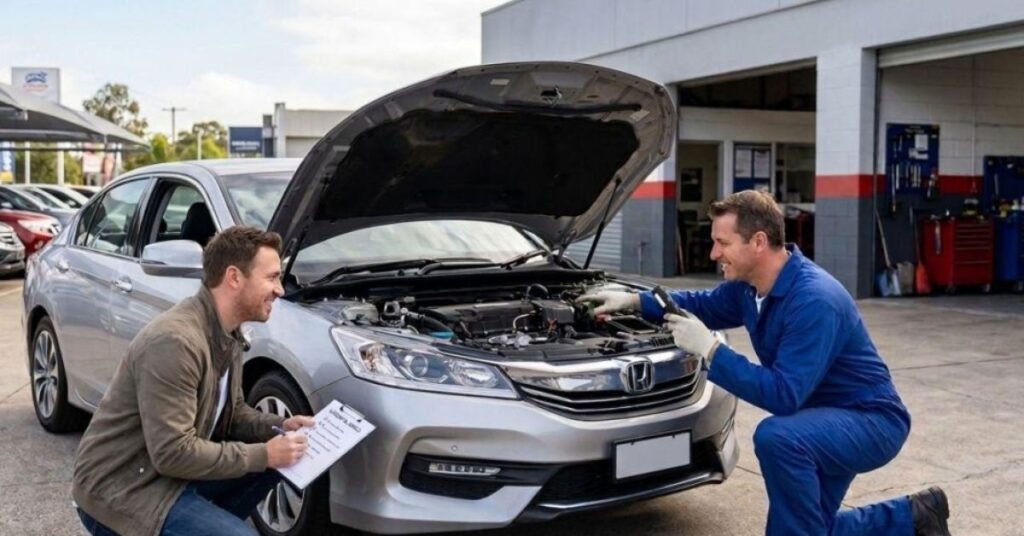
No used vehicle should be purchased without a thorough physical inspection and test drive. This stage is where many buyers either confirm a good decision or discover reasons to walk away.
Essential Checks Before Purchase (Service History, Ownership, etc.)
A methodical pre-purchase check should include the following:
| Check | What to Look For | Why It Matters |
| Vehicle history | Accident records, past ownership, written-off status | Reveals hidden damage or risk |
| Service records | Regular maintenance intervals, repair history | Indicates how well the car was cared for |
| Odometer reading | Consistency with service records and vehicle age | Flags possible odometer tampering |
| Registration details | Current registration and expiry date | Confirms the car is legally roadworthy to drive |
| Ownership records | Proof of ownership, seller details | Confirms the seller has the legal right to sell |
| PPSR check | Outstanding finance owed on the vehicle | Protects buyer from inheriting seller’s debt |
This table highlights that a used vehicle’s paperwork is just as important as its physical condition. A PPSR (Personal Property Securities Register) check, in particular, confirms whether there is money owing on the car — without it, a buyer in Victoria could unknowingly purchase a vehicle still tied to someone else’s loan.
Beyond documents, a physical inspection should look for rust, dents, uneven panel gaps, and other signs of damage that may not appear in photos. An independent mechanical inspection, ideally arranged before final commitment, adds another layer of protection by catching issues with the engine, brakes, or suspension that aren’t obvious during a casual look-over.
What to Look for During a Test Drive
A test drive is one of the most reliable ways to assess vehicle condition firsthand. During the drive, buyers should pay attention to:
- Unusual noises from the engine, brakes, or suspension
- How smoothly the transmission shifts, particularly on automatic vehicles
- Whether safety features and safety tech — such as the reversing camera, Bluetooth connectivity, and driver-assist systems — function correctly
- General comfort and visibility, especially if the car will be driven regularly through South Melbourne, the CBD, or bayside suburbs with heavier traffic
Testing the car under a mix of conditions, including braking at low and moderate speed, gives a much clearer picture of vehicle condition than a short drive around the block.
Making a Smart Purchase Decision
Once inspection and research are complete, the final stage is turning that information into a confident purchase decision, backed by fair pricing and complete paperwork.
Negotiating Price and Payment Options
Price negotiation works best when backed by market research. Buyers who have already compared competitive pricing across similar makes, models, and odometer readings are in a stronger position to negotiate a fair price rather than accepting the first asking price. When it comes to payment options, buyers should compare:
- Weekly repayments versus a lump-sum full purchase price
- Interest rates across different lenders or dealership finance
- Total cost over the life of the loan, not just the advertised monthly figure
- Any fine print around early repayment fees or balloon payments
Reading the fine print on any finance agreement avoids surprises later, particularly around interest rate changes or additional fees not obvious at first glance.
Key Documents Needed for Buying Used Cars in Melbourne
Completing a used car purchase in Victoria (VIC) requires specific paperwork to make the transaction legitimate and protect both parties. This typically includes:
- A Roadworthy Certificate (RWC), confirming the vehicle meets minimum safety standards
- Proof of identification details, such as a driver’s licence or passport
- Registration details and transfer forms required for VIC transactions
- Sale paperwork outlining the agreed purchase price and condition of sale
- Certificate records confirming service and maintenance history, where available
Having all sale paperwork and certificate records in order before the transaction protects buyers if disputes arise later and ensures a smoother ownership transfer process.
Conclusion
Buying used cars in Melbourne rewards buyers who take a structured, patient approach rather than rushing into a decision. Setting a clear budget, researching Melbourne’s used car market across dealerships, online platforms, and private sales, and carefully inspecting vehicle history, service records, and physical condition all reduce the risk of an expensive mistake. Whether choosing a certified pre-owned car for added peace of mind or a private sale for a potentially lower purchase price, the fundamentals stay the same: verify everything, negotiate with market data in hand, and complete the paperwork properly. Following this process gives buyers the best chance of driving away with a reliable used vehicle and genuine confidence in their purchase decision.
Read more:Lamine Yamal Net Worth: The Rising Star’s Journey to Football Fortune
Frequently Asked Questions
How Do I Avoid Common Mistakes When Buying a Used Car in Melbourne?
The most common mistakes involve skipping a PPSR check, ignoring service records, and failing to arrange an independent mechanical inspection. Buyers should also be cautious of scams in private sales, verify seller details match ownership records, and rely on online reviews when dealing with a used car dealership to confirm a track record of reliable used cars and fair dealing.
What’s Involved in Transferring Ownership of a Used Car?
Ownership transfer in Victoria requires both buyer and seller to complete transfer paperwork, confirm current registration information, and lodge the transfer within the required timeframe. Buyers should keep copies of all sale paperwork, proof of ownership, and identification details used during the transaction for their own records.
Are Certified Pre-Owned Cars Worth It in Melbourne?
Certified pre-owned cars can be worth the higher purchase price for buyers who prioritise warranty support, transparency, and peace of mind over saving money upfront. They typically come with more complete maintenance records and a documented inspection process, which reduces uncertainty compared to many private sales, though buyers seeking expert assistance and personalised service may still prefer dealing directly with a reputable used car dealership.