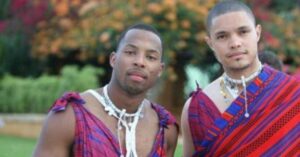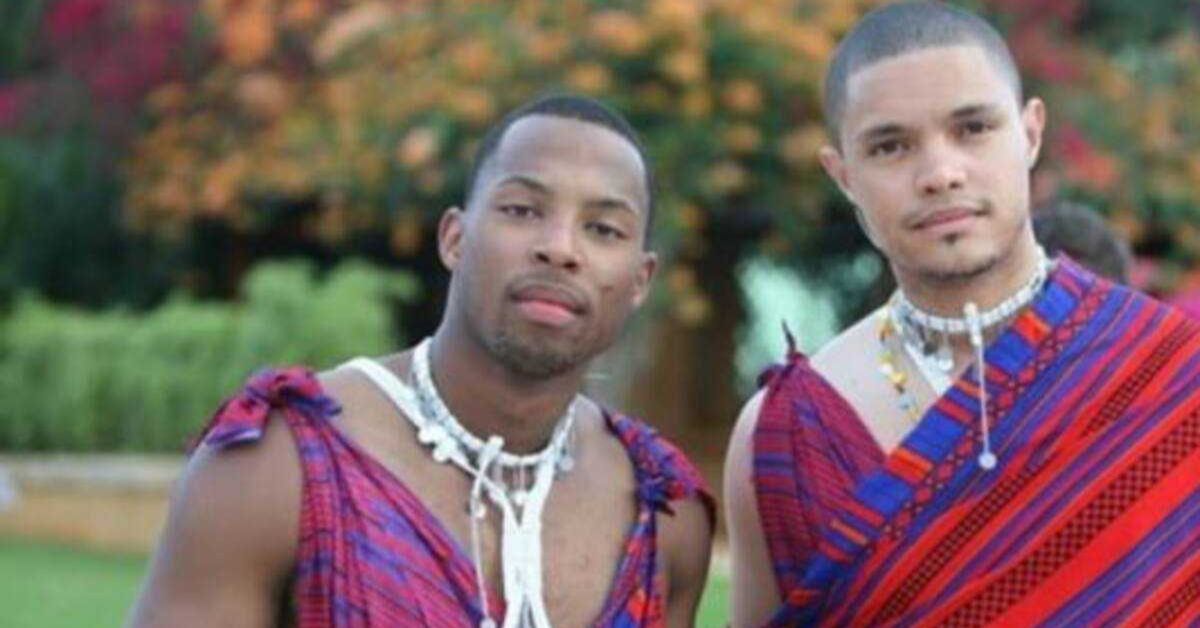
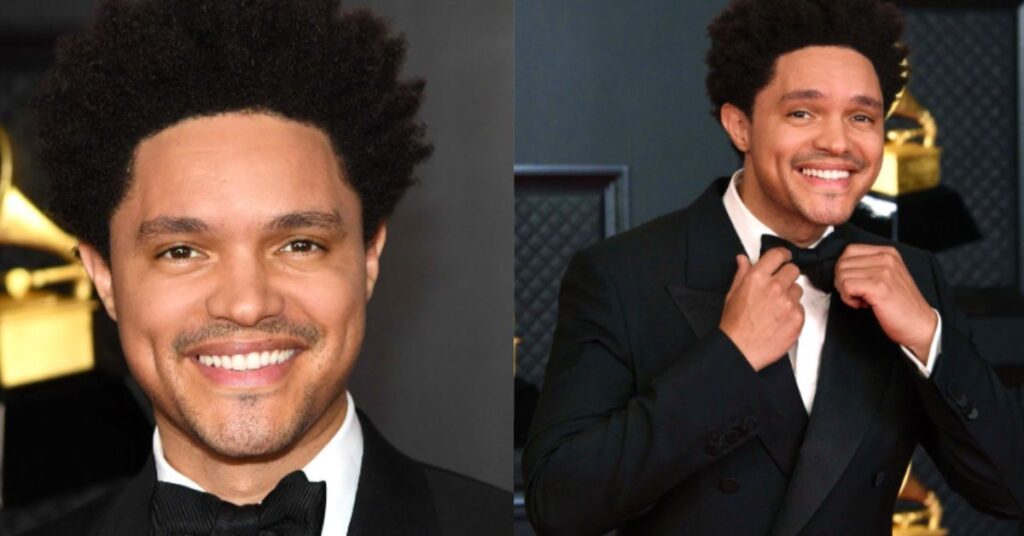
Andrew Shingange is the half-brother of world-renowned comedian and television host Trevor Noah, known for living a deliberately private life away from the spotlight that surrounds his famous sibling. While Trevor Noah rose to international fame as a stand-up comedian, author, and former host of The Daily Show, Andrew Shingange has chosen a markedly different path—one defined by humility, resilience, and a deep connection to his South African roots.
His story, though rarely covered in mainstream media, offers valuable insight into the Noah family’s history, their survival through hardship, and the quiet strength that shaped their lives long before Trevor Noah became a household name.
Quick Facts
Before diving into the details of Andrew Shingange’s life, it helps to have a clear snapshot of the essential facts. The table below organizes the most important information about him and his family for quick reference.
| Category | Details |
| Full Name | Andrew Shingange |
| Known For | Being Trevor Noah’s brother |
| Mother | Patricia Nombuyiselo Noah |
| Siblings | Trevor Noah, Abel Shingange, Robert Noah |
| Birthplace | Johannesburg, South Africa |
| Heritage | Xhosa and Tsonga descent |
| Public Profile | Low; maintains a private life |
| Notable Family Event | 2009 shooting incident involving his mother |
Early Life and Background: Growing Up in Apartheid South Africa
Andrew Shingange was born and raised in Johannesburg, South Africa, during a period defined by Apartheid South Africa’s strict racial segregation laws. This was the same era famously described by Trevor Noah in his memoir, Born a Crime, which takes its name from the fact that interracial relationships were criminalized under laws like the Immorality Act. Trevor Noah’s own existence was technically illegal at birth because his mother, Patricia Nombuyiselo Noah, a Xhosa woman, had a relationship with a Swiss-German man—resulting in a mixed-race child during a time when such unions were forbidden by law.
The Shingange brothers—Andrew, Abel, and their half-brother Trevor—grew up navigating a childhood in Johannesburg shaped by systemic violence, inequality, and restricted freedoms. Apartheid did not simply limit where families could live or work; it dictated nearly every aspect of daily life, creating an environment of constant tension and economic hardship. Families like the Noahs had to develop emotional endurance and resourcefulness just to maintain a sense of normalcy.
Andrew’s heritage reflects the diversity within his own family. He carries both Xhosa culture and Tsonga heritage through his father’s side, giving him a multicultural identity that is common among South African families but often overlooked in the broader Trevor Noah autobiography narrative. Understanding this background is essential to understanding who Andrew Shingange is—not merely as “Trevor Noah’s brother,” but as someone shaped by a distinct and difficult chapter of South African history.
Read more: James Byrd Rogers: The Quiet Life of Fred Rogers’ Son
Family Life and the Bond Between Brothers
The bond between the Shingange brothers and Trevor Noah has always been rooted in shared experience rather than public visibility. Patricia Nombuyiselo Noah raised her sons with an emphasis on family loyalty and personal responsibility, values that appear to have carried through into Andrew’s adult life. While Trevor Noah has spoken publicly, particularly in his autobiography, about his mother’s strength and the challenges the family faced, Andrew Shingange has rarely done any media interviews himself.
This dynamic—one sibling globally recognized, others living quietly—is not unusual in families touched by fame, but it does raise an interesting question about how such families maintain closeness. For the Noah family, shared history appears to be the anchor. Key elements include:
- A mother who prioritized her children’s safety and stability despite external pressures
- Brothers who experienced the same historical and social conditions growing up
- A cultural foundation rooted in both Xhosa and Tsonga traditions
These shared foundations help explain why, despite the difference in public profile, the family bonds among the Shingange brothers and Trevor Noah remain a consistent theme whenever the topic is discussed.
The Tragic Chapter: Violence and Survival
No account of the Noah family history is complete without addressing the 2009 shooting, one of the most difficult and defining events in their lives. In 2009, Abel Shingange was involved in a shooting incident that left Patricia Nombuyiselo Noah seriously injured. This event became a significant part of the family trauma that Trevor Noah later discussed publicly, most notably in his memoir and in various interviews about his upbringing.
The incident highlighted broader issues that many families in South Africa have faced, including domestic violence and family abuse, which remain serious social concerns tied to social stigma and limited access to support systems. Patricia’s survival and her decision to move forward afterward became, for many, a symbol of resilience.
For Andrew Shingange, being part of a family that endured this kind of trauma likely required significant emotional support and personal strength. While he has not spoken extensively about the event himself, the experience is part of the shared history that connects him to his brothers. Families who go through this type of hardship often develop:
- A heightened sense of protectiveness toward one another
- Deep emotional endurance built through shared adversity
- A cautious approach to public life and privacy
- Long-term healing processes that unfold gradually over years
This chapter of the family’s story is not simply about a single tragic event—it reflects a broader pattern of survival and endurance that shaped how each family member, including Andrew, approaches life afterward.
Life Beyond the Spotlight
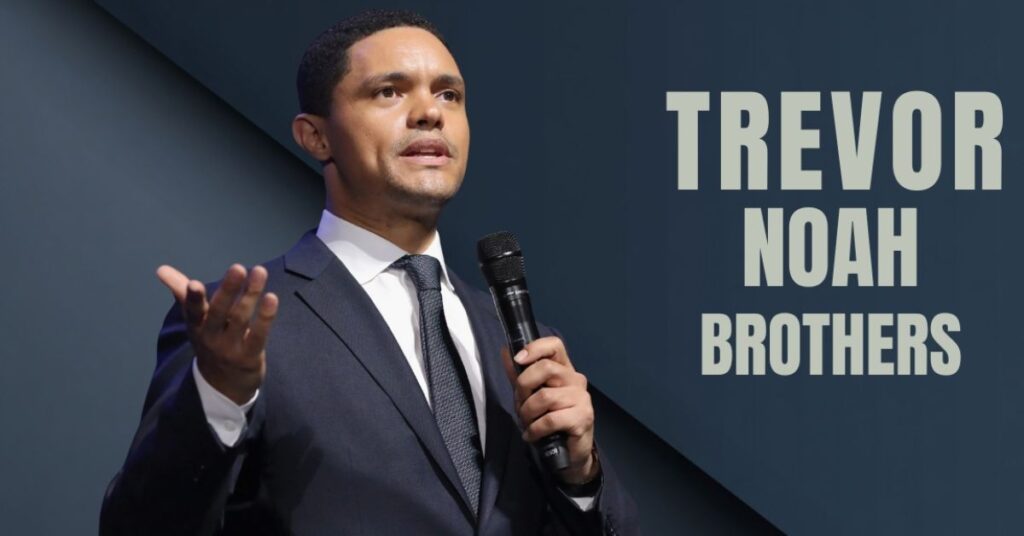
Unlike his globally famous brother, Andrew Shingange maintains a modest life in South Africa, largely disconnected from public recognition, international travel, or high-profile events tied to entertainment. He reportedly has no social media presence, which further reinforces his low public profile and desire for anonymity.
This choice reflects a broader theme seen across many families connected to celebrities: the balance between fame and privacy. While Trevor Noah’s career has taken him through entertainment, advocacy, and public reflection on issues ranging from race to politics, Andrew appears to have consciously chosen a different path—one centered on private life success rather than public achievement.
There are several reasons why someone in Andrew’s position might choose this route:
- Avoiding the pressures and scrutiny that come with public attention
- Prioritizing personal peace over public validation
- Maintaining grounded living within a familiar cultural and family environment
- Protecting personal boundaries after experiencing family trauma
This approach to life beyond the spotlight is not a rejection of his brother’s success, but rather a reflection of Andrew’s own values and priorities. It illustrates that public recognition is not the only measure of a meaningful life.
Read more: Kevin Corke Age : Career & Life of Fox News Correspondent
Lessons from Andrew Shingange’s Life
Although Andrew Shingange has not sought public attention, his life story—shaped by hardship, cultural richness, and personal choice—offers several lessons that extend beyond the Noah family narrative.
| Life Lesson | Explanation |
| Resilience | Enduring hardship, including apartheid-era restrictions and family trauma, without losing a sense of self |
| Forgiveness | Moving past painful family history without being defined by it |
| Family Loyalty | Maintaining strong bonds with siblings despite differing public profiles |
| Authentic Living | Choosing a lifestyle that matches personal values rather than external expectations |
| Personal Integrity | Staying grounded and private even when connected to global fame |
These lessons demonstrate that quiet heroism often exists outside of public recognition. Andrew’s story, in many ways, represents an alternative model of success—one measured by inner peace and personal integrity rather than visibility or achievement.
His life also underscores an important point about emotional trauma and healing: recovery does not always look like public storytelling. For some individuals, healing takes place privately, through daily life, family connection, and steady personal growth rather than public disclosure.
Read more: Who Is Mary Joan Schutz? The Untold Story Of Gene Wilder Ex-Wife
Conclusion: The Strength Behind the Silence
Andrew Shingange’s story is a reminder that not every meaningful life needs to unfold in public view. As the lesser-known member of the Shingange brothers, his choice to live a private life reflects quiet strength and silent strength built through years of hardship, cultural grounding, and personal resilience. While Trevor Noah’s global platform has brought international attention to the family’s history—from their upbringing during Apartheid South Africa to the challenges detailed in Born a Crime—Andrew’s own path shows that dignity and personal peace can exist entirely outside the spotlight.
As of March 11, 2026, Andrew Shingange remains largely private, with limited public information available about his day-to-day life. Yet what is known paints a picture of someone shaped by a complex South African family history, grounded in both Xhosa and Tsonga heritage, and committed to living authentically. His story stands as a quiet but powerful complement to his brother’s very public journey—proof that strength doesn’t always require an audience.