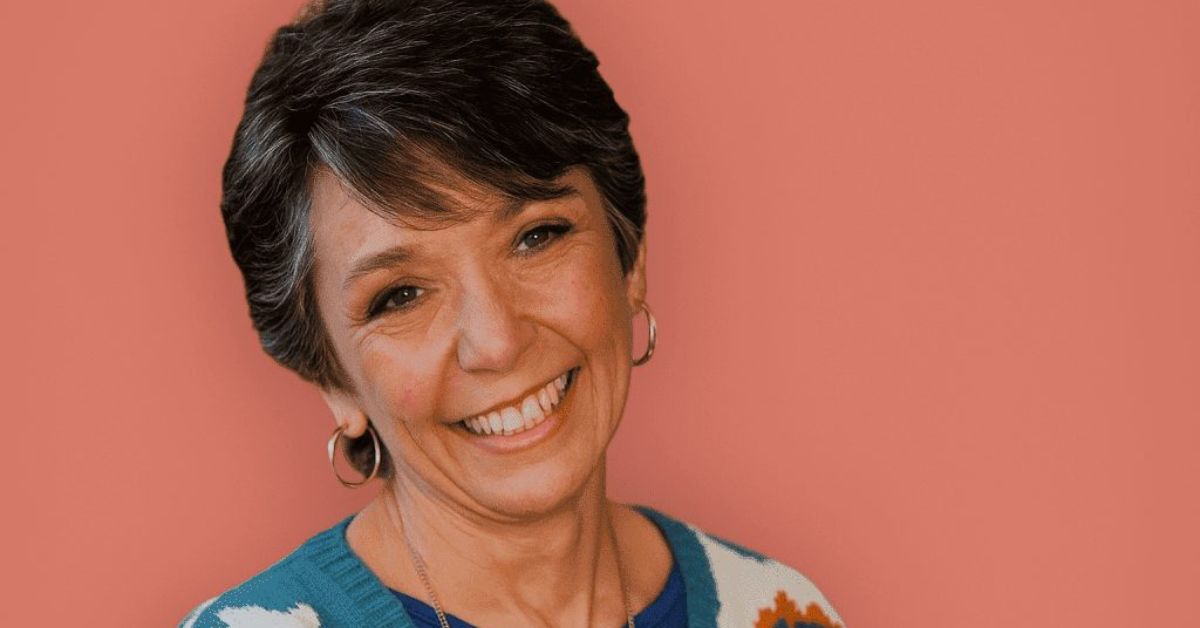
Allen Bonet and Arlene Litman represent one of the more quietly influential couples in American entertainment history, even though neither one sought the spotlight themselves. Arlene Litman was a Jewish-American schoolteacher and music educator from Pittsburgh, Pennsylvania, who became the mother of actress Lisa Bonet and grandmother of Zoë Kravitz. Her marriage to opera singer Allen Bonet, an African-American performer, formed an interracial union that was still legally and socially fraught during the era in which they built their family.
Their household in Reseda, in the San Fernando Valley of Los Angeles, blended Ashkenazi Jewish heritage with African-American artistic tradition, shaping a multicultural family whose creative legacy stretches from Lisa Bonet’s rise on The Cosby Show to Zoë Kravitz’s own career in film and music.
Arlene Litman Quick Facts
Before exploring her life in depth, it helps to see the core details of Arlene Litman’s biography in one place.
| Category | Detail |
| Full Name | Arlene Litman |
| Date of Birth | Early 1940s |
| Place of Birth | Pittsburgh, Pennsylvania, USA |
| Parents | Eli and Sylvia Litman |
| Heritage | Ashkenazi Jewish descent |
| Profession | Educator, music teacher, schoolteacher |
| Spouse/Partner | Allen Bonet, opera singer |
| Children | Lisa Bonet |
| Grandchildren | Zoë Kravitz |
| Residence | Los Angeles, California (Reseda, San Fernando Valley) |
| Death | 1998, at age 58 |
Early Life

Arlene Litman was born in the early 1940s in Pittsburgh, Pennsylvania, to parents Eli and Sylvia Litman. She grew up within a Jewish-American upbringing rooted in Ashkenazi Jewish descent, a heritage tracing back to Jewish communities of Central and Eastern Europe. Pittsburgh at the time had an established Jewish community, and Arlene Litman’s early years were shaped by that cultural and religious environment. While detailed public records about her childhood remain limited, her later life reflects values commonly associated with mid-century Jewish-American households: an emphasis on education, cultural continuity, and community involvement.
Read more: Tucker Carlson Inheritance: The Truth About His Family Wealth
Education and Teaching Career
Arlene Litman built her adult life around education. She worked as a schoolteacher and music teacher, roles that placed creativity and mentorship at the center of her professional identity. As an educator, she was known for fostering creativity and cultural awareness in her students, an approach that mirrored the values she would later bring to her own household. Music teachers in particular play a distinct role in shaping young people’s confidence and self-expression, and this same encouragement of artistic expression would go on to influence her own daughter’s path into the arts.
Meeting Allen Bonet: Two Worlds Collide
Arlene Litman’s marriage to Allen Bonet, an opera singer, brought together two very different cultural backgrounds. Allen Bonet was an African-American performer trained in classical vocal music, while Arlene Litman came from an Ashkenazi Jewish household. Their relationship became what many refer to as Arlene Litman’s marriage into an interracial marriage, a union that was still uncommon and, in parts of the United States, still recovering from legal restriction. This period in American history was directly shaped by the Loving v. Virginia decision, the landmark 1967 U.S. Supreme Court ruling that struck down state laws banning interracial marriage nationwide. Arlene Litman and Allen Bonet’s relationship existed within this broader context of shifting legal and social attitudes toward mixed-race couples.
Motherhood and Life in Los Angeles
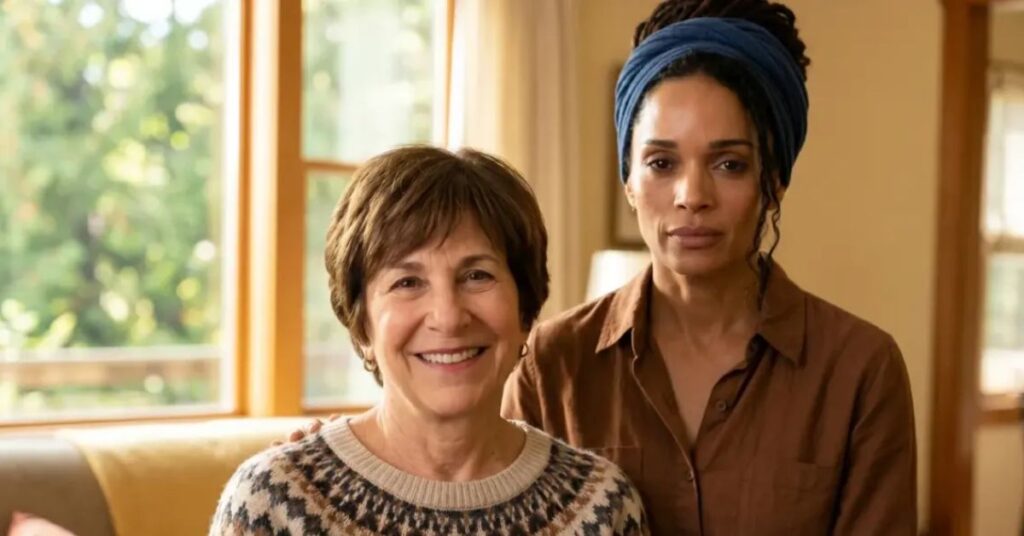
After marrying, Arlene Litman and Allen Bonet settled in Los Angeles, California, specifically in Reseda, a community within the San Fernando Valley. It was there that their daughter, Lisa Bonet, was born and raised. Arlene Litman’s daughter would go on to become one of the most recognizable faces in American television during the 1980s. As a family, they represented a household actively navigating mixed-race identity in a city that was itself becoming more diverse. Arlene Litman family life combined her Jewish faith with Allen Bonet’s African-American artistic heritage, giving Lisa Bonet an early, lived experience of multicultural identity.
Read more: Don Baskin Net Worth 2026: Fortune & Car Empire Revealed
A Single Mother’s Journey in a Changing America
Arlene Litman’s life unfolded against the backdrop of the 1960s–1970s, a period defined by the Civil Rights Movement and major shifts in American social policy. At some point, Arlene Litman took on the role of single mother, raising Lisa Bonet largely on her own. This was no small task during an era when single motherhood, particularly within a mixed-race family, carried significant social and economic challenges. Her steady presence as an educator and parent gave her daughter structure and stability, even as the broader country was still working through questions of racial integration and equality.
Influence on Lisa Bonet’s Life and Career
Lisa Bonet’s mother played a foundational role in shaping the values that would later define her daughter’s public identity. Lisa Bonet became widely known for playing Denise Huxtable on The Cosby Show, a character celebrated for individuality and nonconformity.
Many of the traits associated with that role, including authenticity and a willingness to stand apart from convention, can be traced back to the household Arlene Litman built. As an educator focused on creativity, Arlene Litman likely encouraged the same free-thinking spirit that Lisa Bonet carried into her acting career and, later, into her own family life.
Cultural Heritage and Identity
The blending of cultural heritage within the Bonet-Litman household is one of the more distinctive aspects of this family’s story. A few key elements defined that cultural identity:
- Jewish faith and Ashkenazi Jewish descent passed down through Arlene Litman’s side of the family.
- African-American artistic heritage carried through Allen Bonet’s career as an opera singer.
- Multicultural family dynamics that required navigating two distinct religious and cultural traditions.
- Mixed-race identity for Lisa Bonet, and later for her children, including Zoë Kravitz.
This combination gave the family a layered sense of cultural identity that extended across generations, influencing how both Lisa Bonet and Zoë Kravitz have spoken publicly about their own heritage.
Later Years and Passing
Arlene Litman passed away in 1998 at age 58. While public information about her final years is limited, her passing marked the end of a life defined by education, resilience, and cultural bridge-building. Her influence, however, continued through her daughter and granddaughter, both of whom carried forward aspects of the values she instilled.
Legacy: The Power of Quiet Influence
Arlene Litman’s legacy is often described as a quiet influence, meaning her impact was felt more through the character and choices of her descendants than through public recognition of her own. She never sought fame, yet her role as an educator and mother shaped two generations of artists. This kind of quiet influence is common among parents and grandparents whose contributions to American arts and culture happen indirectly, through the children and grandchildren they raise rather than through their own public careers.
Read more: MC Square Biography 2026: Age, Career and Real Name
Thematic Lessons from Her Life
Arlene Litman’s biography offers several broader lessons that extend beyond her individual story.
1. Education as Empowerment
Her career as a schoolteacher and music teacher demonstrates how education as empowerment can shape not only students but also one’s own family. Teaching gave her tools to encourage creativity and cultural awareness at home.
2. Resilience in Motherhood
Raising a daughter largely as a single mother during a period of significant social change required resilience in motherhood, a quality that shaped Lisa Bonet’s own independence.
3. Faith and Identity
Maintaining her Jewish faith and Ashkenazi Jewish descent within a multicultural household shows how faith and identity can coexist with cultural blending rather than being erased by it.
4. Love Without Boundaries
Her marriage to Allen Bonet, formed during an era still shaped by legal restrictions on interracial marriage, reflects a broader theme of love without boundaries that resonates with many mixed-race families today.
A Family Tree of Creativity
The family tree of creativity that began with Arlene Litman and Allen Bonet extended well beyond their own generation. The following list traces that creative lineage:
- Arlene Litman – educator and music teacher.
- Allen Bonet – opera singer.
- Lisa Bonet – Arlene Litman’s daughter, actress known for The Cosby Show and other film and television roles.
- Zoë Kravitz – Arlene Litman’s granddaughter, actress and musician.
- Lenny Kravitz – Zoë Kravitz’s father, musician, whose own artistic career added another layer to the family’s presence in American arts and culture.
This lineage shows how education, music, and performance passed through multiple generations of the same family.
Remembering Arlene Litman
Although Arlene Litman did not pursue public recognition during her lifetime, she is remembered today primarily through references made by Lisa Bonet and Zoë Kravitz about their family history. Her story is often cited as an example of how mixed-race children and multicultural households navigated identity during a transformative period in American history.
FAQs
Who was Arlene Litman?
Arlene Litman was a Jewish-American schoolteacher and music teacher, best known as the mother of actress Lisa Bonet and grandmother of actress Zoë Kravitz.
What was Arlene Litman’s profession?
She worked as an educator, specifically as a schoolteacher and music teacher, focusing on fostering creativity in her students.
Where was Arlene Litman born?
She was born in Pittsburgh, Pennsylvania, in the early 1940s.
How did Arlene Litman influence Lisa Bonet?
As an educator who valued creativity and cultural awareness, Arlene Litman helped shape the individuality and authenticity that later defined Lisa Bonet’s acting career and personal identity.
Who were Arlene Litman’s parents?
Her parents were Eli and Sylvia Litman.
Was Arlene Litman married?
Yes, she was married to Allen Bonet, an opera singer, in a union that reflected an interracial marriage during a period when such marriages were still socially and legally significant.
What is Arlene Litman’s legacy?
Her legacy is often described as a quiet influence, shaping the creative and personal paths of her daughter, Lisa Bonet, and granddaughter, Zoë Kravitz, through education and multicultural family values.
When did Arlene Litman pass away?
Arlene Litman passed away in 1998 at age 58.
How did Arlene Litman impact her family’s artistic path?
Her emphasis on creativity as a music teacher, combined with Allen Bonet’s career as an opera singer, helped establish an artistic foundation that carried through to Lisa Bonet and Zoë Kravitz.
What lessons can be learned from Arlene Litman’s life?
Her life illustrates the value of education as empowerment, resilience in motherhood, the coexistence of faith and identity within a multicultural family, and love without boundaries in interracial relationships.
Conclusion
Arlene Litman’s story is a reminder that lasting influence does not always require public recognition. As a Jewish-American schoolteacher and music teacher, she built a household that blended Ashkenazi Jewish descent with African-American artistic heritage through her marriage to opera singer Allen Bonet. That multicultural foundation, shaped during the Civil Rights Movement and the years following Loving v. Virginia, gave her daughter Lisa Bonet and granddaughter Zoë Kravitz a layered sense of cultural identity and artistic purpose. Arlene Litman’s quiet influence continues to resonate through the creative accomplishments of the family she helped raise.