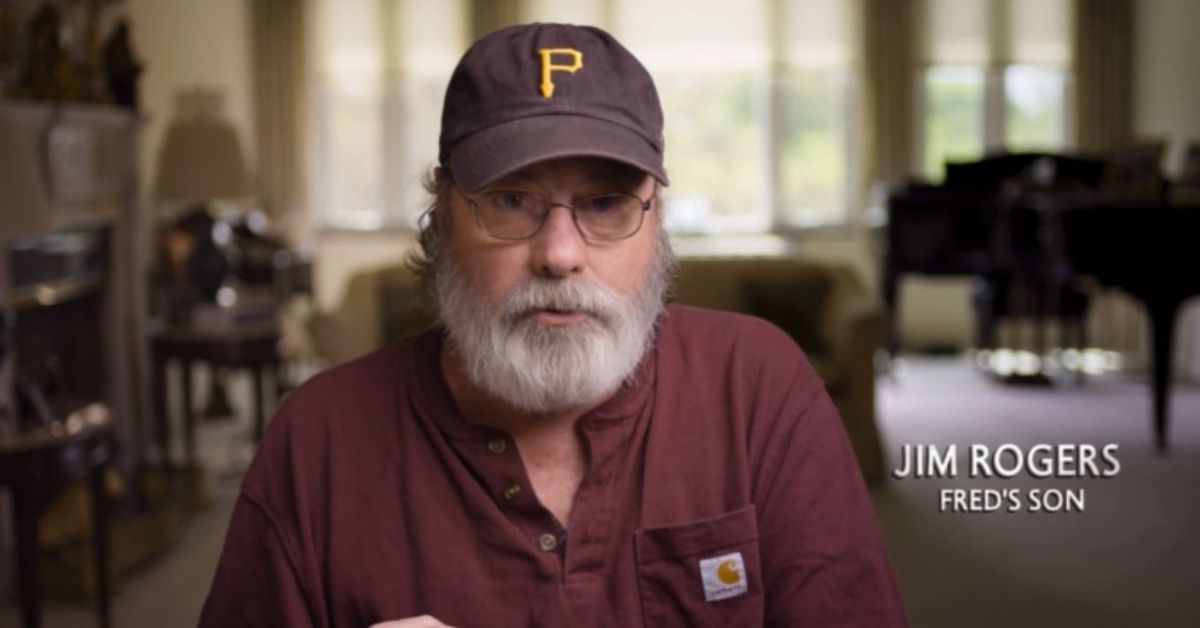
James Byrd Rogers is the eldest son of Fred Rogers, the television host who created and hosted Mister Rogers’ Neighborhood for more than three decades. Born in 1959 in Pittsburgh, Pennsylvania, James grew up in the Rogers household alongside his younger brother, John Rogers, under the guidance of his parents, Fred Rogers and Joanne Rogers.
While his father became a national role model and a defining figure in American television history, James chose a different path — one built on privacy, humility, and a low public profile. This piece looks at his upbringing, his education, his relationship with his famous father, and the quiet legacy he continues to carry forward without seeking public recognition.
Early Life: Growing Up in the Neighborhood
James Byrd Rogers was born in 1959 in Pittsburgh, Pennsylvania, a city closely tied to his father’s career since Mister Rogers’ Neighborhood was filmed at WQED, a public broadcasting station based there. As the eldest son of Fred Rogers and Joanne Rogers, James was raised in a household that placed a strong emphasis on emotional honesty, empathy, and compassion — the same values that would later define his father’s approach to children’s television. Joanne Rogers, a classically trained musician, helped maintain a sense of routine and normalcy at home even as her husband’s public profile grew.
Growing up in the Rogers household meant James was exposed early to the ideas that shaped Mister Rogers’ Neighborhood, a program built around teaching children about feelings, kindness, and self-worth. Unlike many children raised alongside a parent’s rising fame, James was encouraged to develop his own identity rather than simply exist in his father’s shadow. This early grounding in personal development and family life gave him tools that would matter later, when public curiosity about the Rogers household intensified.
Read more: Kevin Corke Age : Career & Life of Fox News Correspondent
Life in the Spotlight: The Challenges of Being Fred Rogers’ Son
Being labeled a celebrity child brings a specific kind of pressure, and James Byrd Rogers experienced this firsthand as the eldest son of a man widely regarded as a national role model. Fred Rogers wasn’t a typical celebrity — he was seen by an entire generation as a trusted, almost parental figure, which meant expectations placed on his children extended beyond ordinary fame. People often assumed James would either follow his father into children’s television or struggle to live up to an impossibly high standard of kindness and public virtue.
Several challenges commonly affect children of famous parents, and James’s experience reflects many of them:
- Constant comparison to a parent’s public persona
- Assumptions about personality or values based on family reputation
- Reduced ability to build an identity separate from the family name
- Public curiosity about private family matters
- Pressure to either embrace or reject the family legacy publicly
Rather than lean into the attention, James responded with a quiet approach to life, limiting rare appearances and avoiding the kind of media presence that might have amplified comparisons to his father. This decision reflects a broader pattern seen among children of highly recognizable public figures: choosing individual identity over public visibility.
Education and Career Path: A Different Direction
James Byrd Rogers pursued higher education away from the entertainment industry his father helped define. Multiple accounts indicate he attended Rollins College, a private liberal arts institution in Winter Park, Florida — notably the same school Fred Rogers himself studied at years earlier. Rollins College has long been known for producing graduates oriented toward community engagement and personal development, which aligns with the values James was raised with.
Unlike many children of well-known media figures, James did not pursue a career in children’s television or attempt to build on his father’s public platform. Instead, reports suggest his career path moved toward community work and personal pursuits kept largely outside public documentation. This decision reinforces a theme found throughout his adult life: professional purpose rooted in personal integrity rather than public recognition.
The table below summarizes what is publicly known about his educational and family background.
| Category | Detail |
| Full Name | James Byrd Rogers |
| Birth Year | 1959 |
| Birthplace | Pittsburgh, Pennsylvania, USA |
| Father | Fred Rogers |
| Mother | Joanne Rogers |
| Brother | John Rogers |
| Education | Rollins College (reported) |
| Public Profile | Mostly private, rare public appearances |
This table highlights how limited verified public information about James actually is — a direct reflection of the privacy and boundaries he has maintained throughout adulthood.
Read more: Who Is Mary Joan Schutz? The Untold Story Of Gene Wilder Ex-Wife
Family and Personal Life: The Power of Privacy
Privacy is the defining thread running through nearly every account of James Byrd Rogers’ adult life. While his father became one of the most recognizable figures in American television history, James has consistently avoided the public recognition that typically follows a famous surname. He has no verified social media presence, rarely comments publicly on his father’s legacy, and has largely stayed out of interviews or documentaries covering Fred Rogers’ career.
This commitment to privacy connects to several personal values commonly associated with the Rogers family tradition:
- Protecting family life from public exposure
- Prioritizing authenticity over public image
- Choosing humility instead of leveraging a famous name
- Maintaining emotional sensitivity toward how public attention affects loved ones
- Preserving a grounded, meaningful life away from cameras
For James, privacy isn’t simply the absence of fame — it functions as an active value, echoing the emotional honesty his father taught millions of children on screen. Choosing a quiet life doesn’t diminish his connection to the Rogers household tradition; if anything, it reinforces the inherent worth and self-identity that his parents emphasized during his upbringing.
Relationship with Fred Rogers: A Bond Beyond Words
The relationship between James and his father reflects the same principles that shaped Fred Rogers’ parenting style and his broader work in children’s television. Fred Rogers was known for encouraging open conversations about emotions, patience, and mutual respect — qualities that reportedly extended into his relationship with his eldest son. Their bond appears to have been built less on public displays and more on a deep emotional connection maintained largely in private.
Fred Rogers died in 2003, and in the years since, James has rarely spoken publicly about their relationship, choosing instead to honor his father’s memory through his actions rather than public statements. This approach mirrors the values of Mister Rogers itself: that meaningful relationships and self-worth don’t require public validation to hold significance.
The Legacy of James Byrd Rogers: Living the Lessons of Mister Rogers
The legacy of James Byrd Rogers isn’t measured in television credits or public achievements — it’s measured in how consistently he has applied his father’s core teachings to an ordinary, private life. Fred Rogers’ influence extended far beyond television, shaping conversations about emotional honesty, kindness, and community service across generations. James’s quiet legacy reflects those same values applied outside the spotlight: personal growth, service, and self-worth practiced without an audience.
This matters because it demonstrates that the values behind Mister Rogers’ Neighborhood weren’t limited to a television format — they were lived principles within the Rogers household itself. James’s decision to live with authenticity and integrity, away from public recognition, shows a different but equally valid way of carrying a cultural legacy forward.
Read more: Hopie Carlson: Inside the Private Life of Tucker Carlson’s Daughter
Conclusion: The Man Behind the Famous Name
James Byrd Rogers represents a quieter, more private continuation of a family shaped by kindness, compassion, and emotional honesty. As the eldest son of Fred Rogers, he could have leaned into public attention tied to his father’s status as a cultural phenomenon. Instead, he chose a grounded, meaningful life built on personal values rather than public visibility. His story is less about what he has done publicly and more about how he has lived — with humility, self-identity, and a quiet legacy that honors his father’s memory without needing the spotlight to prove it.